Wood completed a placement at the CPA through U of GH
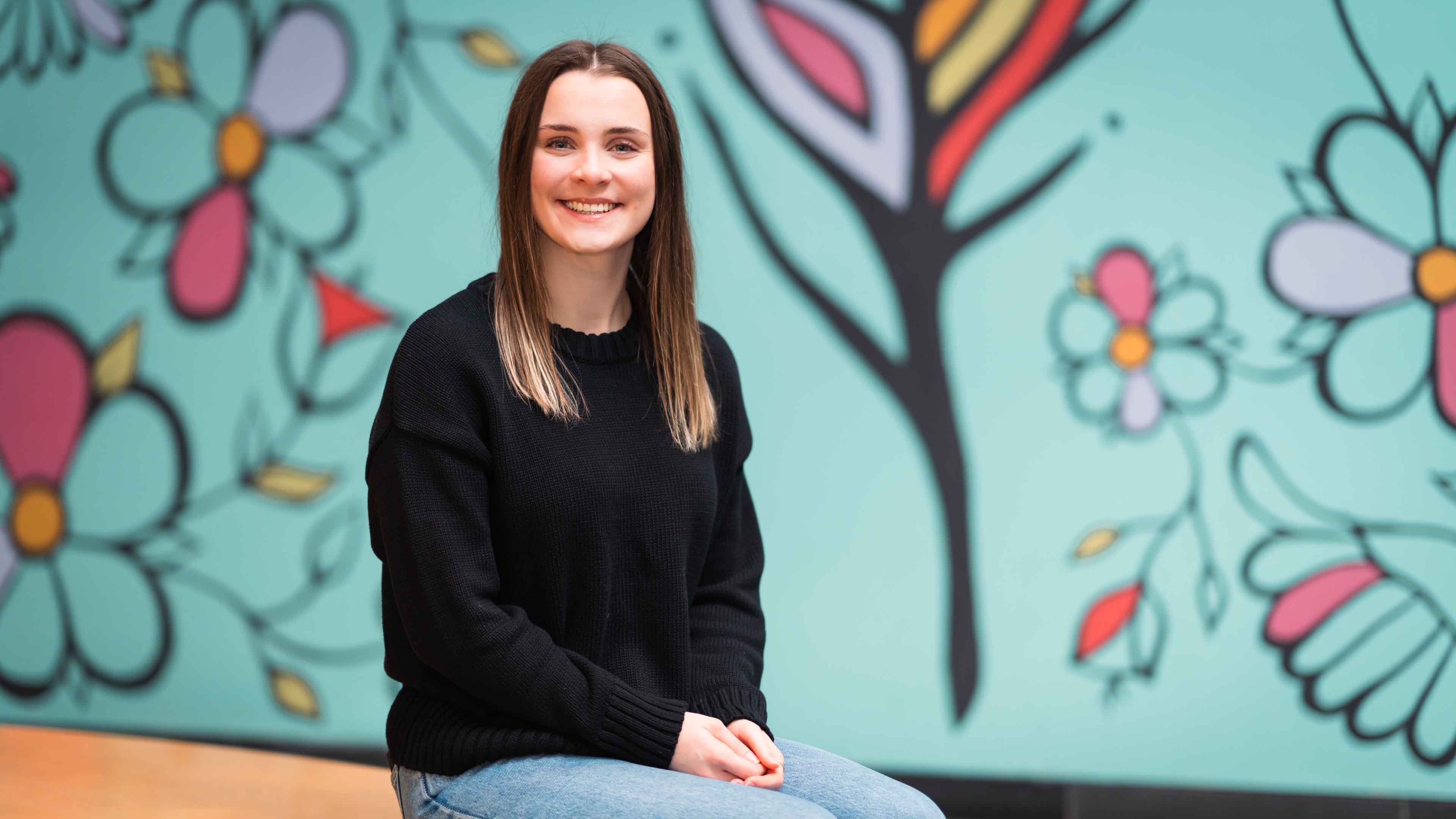
Through her program placement at the Canadian Psychological Association (CPA), University of Guelph-Humber (U of GH) Psychology student Veronica Wood has contributed to writing a fact sheet about executive functioning that was recently published.
Having researched and written for this official fact sheet as an undergraduate student isn’t necessarily a common experience, but Wood’s placement through U of GH allowed her to gain this experience. Her passion and enthusiasm for the psychology field and for the topic of executive functioning has also led her to this endeavour. And while she completed her placement in her third year, the fact sheet has been published as she’s entered her final year at U of GH.
“No matter someone's socioeconomic status, everyone deserves to have access to these types of public resources,” Wood said. “Being able to contribute was very meaningful. And the fact that it's published and I'm still in my undergrad is incredible.”
Her role entailed conducting research and reading complex literature about executive functioning, then translating that information, writing about the topic in plain language at an eighth-grade level. This led to making the information accessible to a public audience. And while challenging at first, she learned to take pause and think about how to explain the content in a way that anyone could understand.
As a person who’s openly neurodivergent, this feat was deeply personal and meaningful for Wood. When she received a diagnosis as a child in the early 2000s, looking back, she feels that the research in executive functioning was lacking.
She also explained that in her view, the public often sees attention deficit hyperactivity disorder (ADHD) as a main learning disability affecting executive functioning, but she wanted to highlight other disorders and types of learning disabilities as well.
“What really motivated [me] was advocating for the marginalized group of folks that are neurodivergent, that are affected by executive functioning,” Wood explained. “In the early 2000s, when I got diagnosed with my learning disability, the assumption was that folks who were neurodivergent weren't going to succeed in a linear sense. It was important for me to advocate and show that it is not like that.”
Working on the fact sheet also inspired her thesis project that she’s working on as a fourth-year Psychology student. She is focusing her research on accessibility because of this opportunity.
Another benefit she gained out of the experience is meeting a mentor, Dr. Lauren Thompson, Scientific Affairs Leader at the CPA. Dr. Thompson provided guidance to Wood as she navigated the project and gave her a broader understanding about what makes a strong fact sheet. This helped Wood reach her full potential during her placement at the CPA.
“[I wanted] to push aside those negative connotations of having a learning disability or being neurodivergent and struggling with executive functioning. It's just a label; it doesn't mean you can't amount to anything. You can still succeed,” Wood shared.
Have an instinct to help people? Want to make a difference in bettering humanity? Learn more about Guelph-Humber’s Psychology program here.