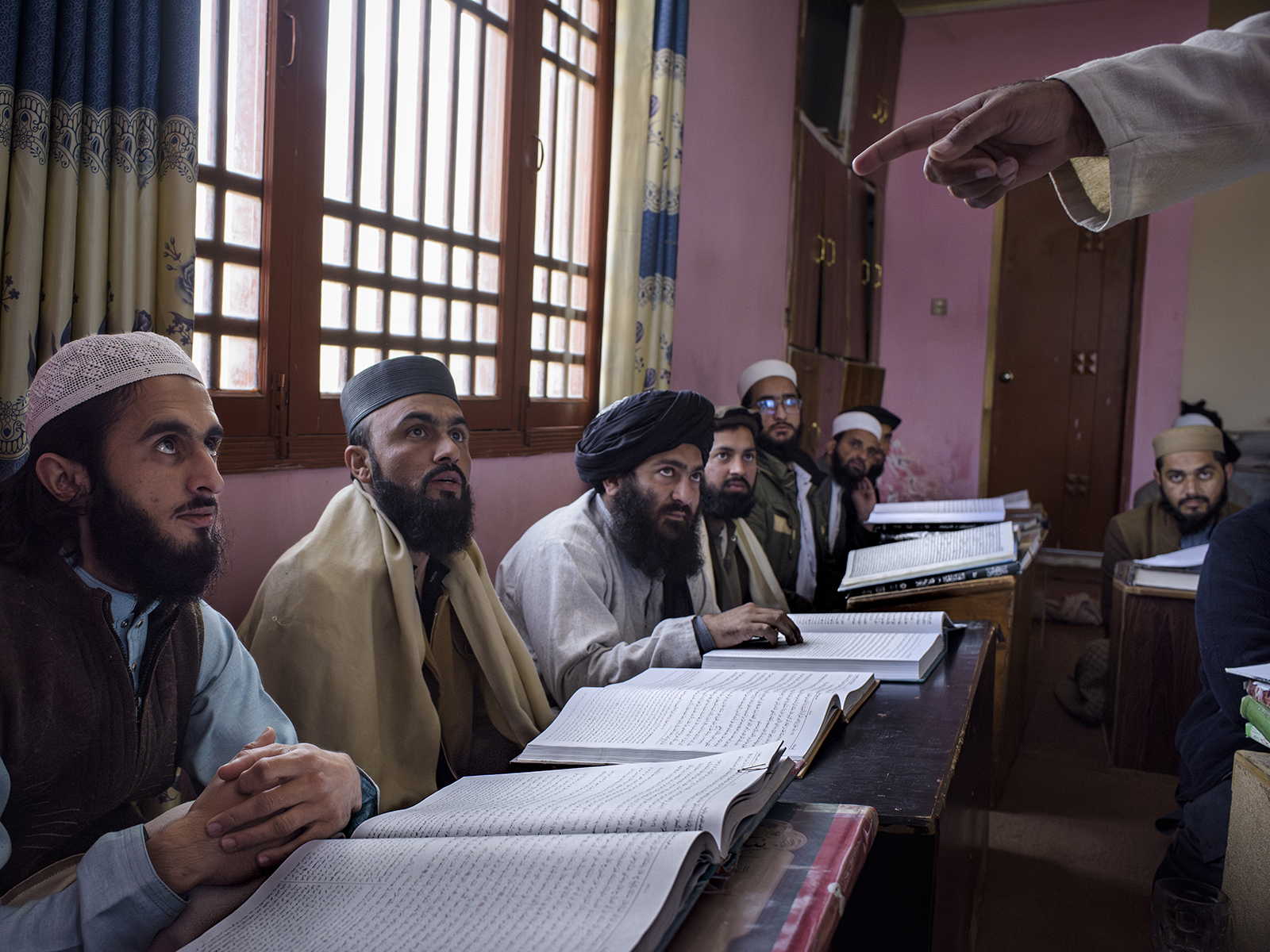
Giovanni Capriotti worked on the project with a Guelph-Humber research grant
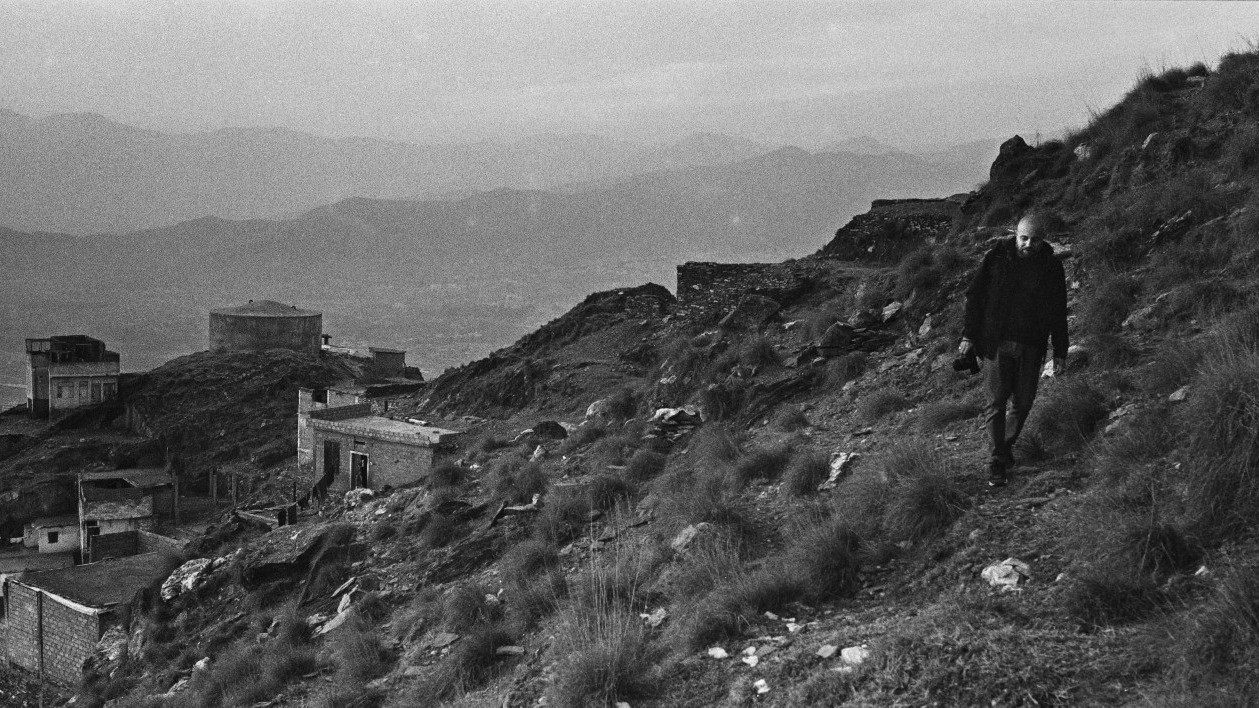
Banner photo by Dario De Dominicis of Giovanni Capriotti in Swat Valley
University of Guelph-Humber (U of GH) Media & Communication Studies instructor Giovanni Capriotti is lifting the curtain on Pakistan’s Swat Valley, a region situated near the Afghanistan border, through a photojournalism project funded by a U of GH research grant.
Capriotti’s photojournalism project focuses on stories about the history and people of Swat Valley, an area fraught with instability due to geopolitical tensions and the resurgence of Taliban militancy. Having visited the area from Nov. 13 to Dec. 22, 2025, Capriotti will illuminate stories untold about the land’s ancient artifacts and the trauma of its people who have experienced hardship from the Taliban and the Pakistan army.
“[The people of Swat Valley] really want to tell their stories because they feel that their story has never gotten attention. Often in international media, what is getting attention is the blasting, the killings, those kinds of things, but not the story of the individuals who have been affected by all these major events,” he said of how his project focuses on the human side of Swat Valley.
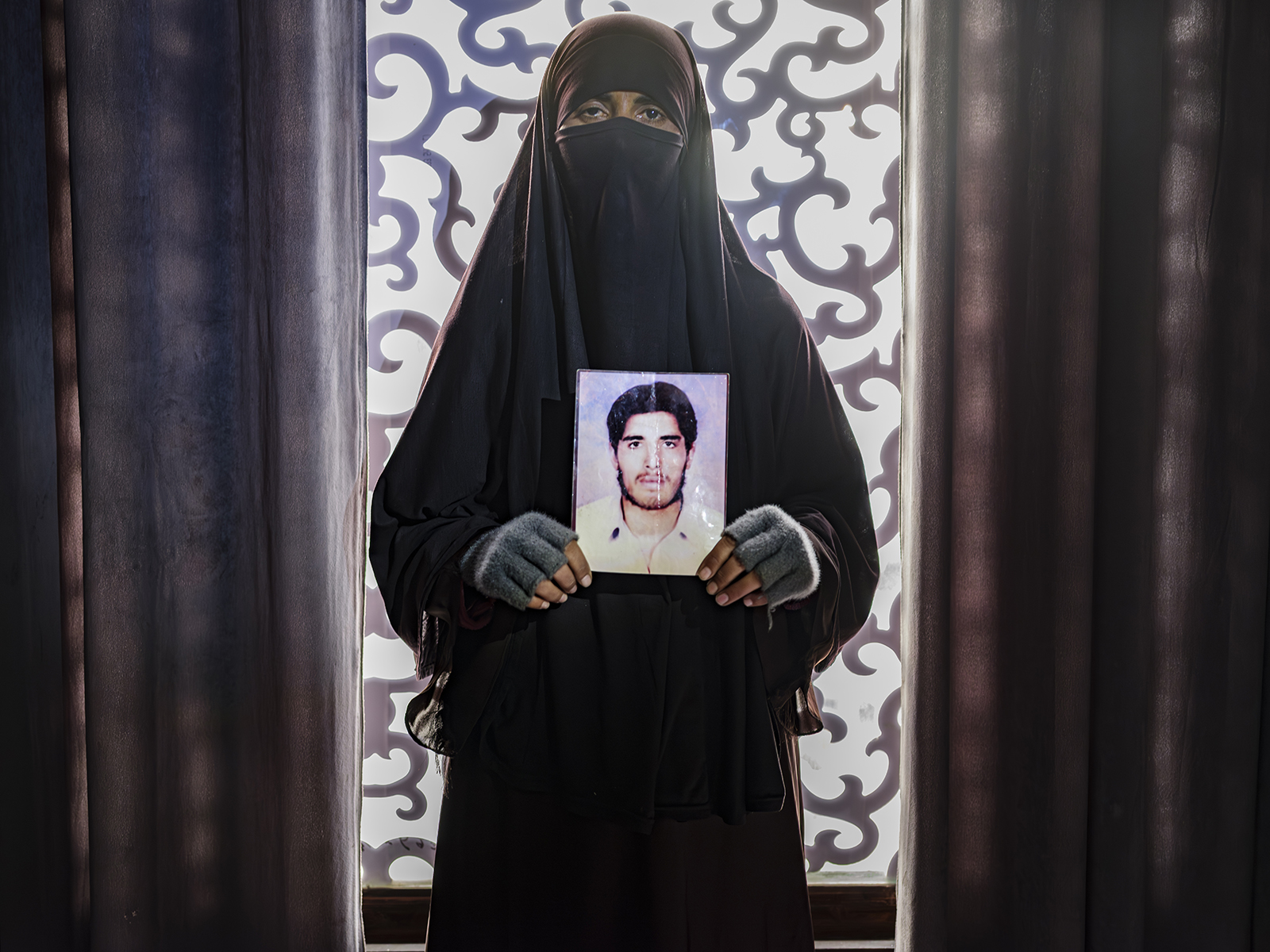
Capriotti explained that this has been an ongoing project; he has visited the region three times in three years and hopes to return for further coverage. The project will showcase photos of artifacts and of the human element. He hopes to one day capture photos that tell the story of China’s role in the region with infrastructure and economic growth.
This work wasn’t done fully alone.
Capriotti is working with two Guelph-Humber research assistants, students in the Media & Communication Studies program: Meghan Aucoin and Nicole Cislo. The pair will assist Capriotti with fact checking, captioning the photos, and more, as he brings the project to life.
And while he was in the Swat Valley, a team of collaborators enabled him to connect with locals to gain access and enhance security in the turbulent region – journalists (Fayaz Zafar of the Daily Mashriq and Voice of America, Fazal Khaliq of the Dawn, and Amjad Ali Sahaab of Lafzuna), a photographer (Dario De Dominicis), translators, cultural mediators, people who could get the group beyond military checkpoints, etc. Capriotti said the group’s community co-operation and dynamic helped keep the team safe and access places and people the public wouldn’t get to see.
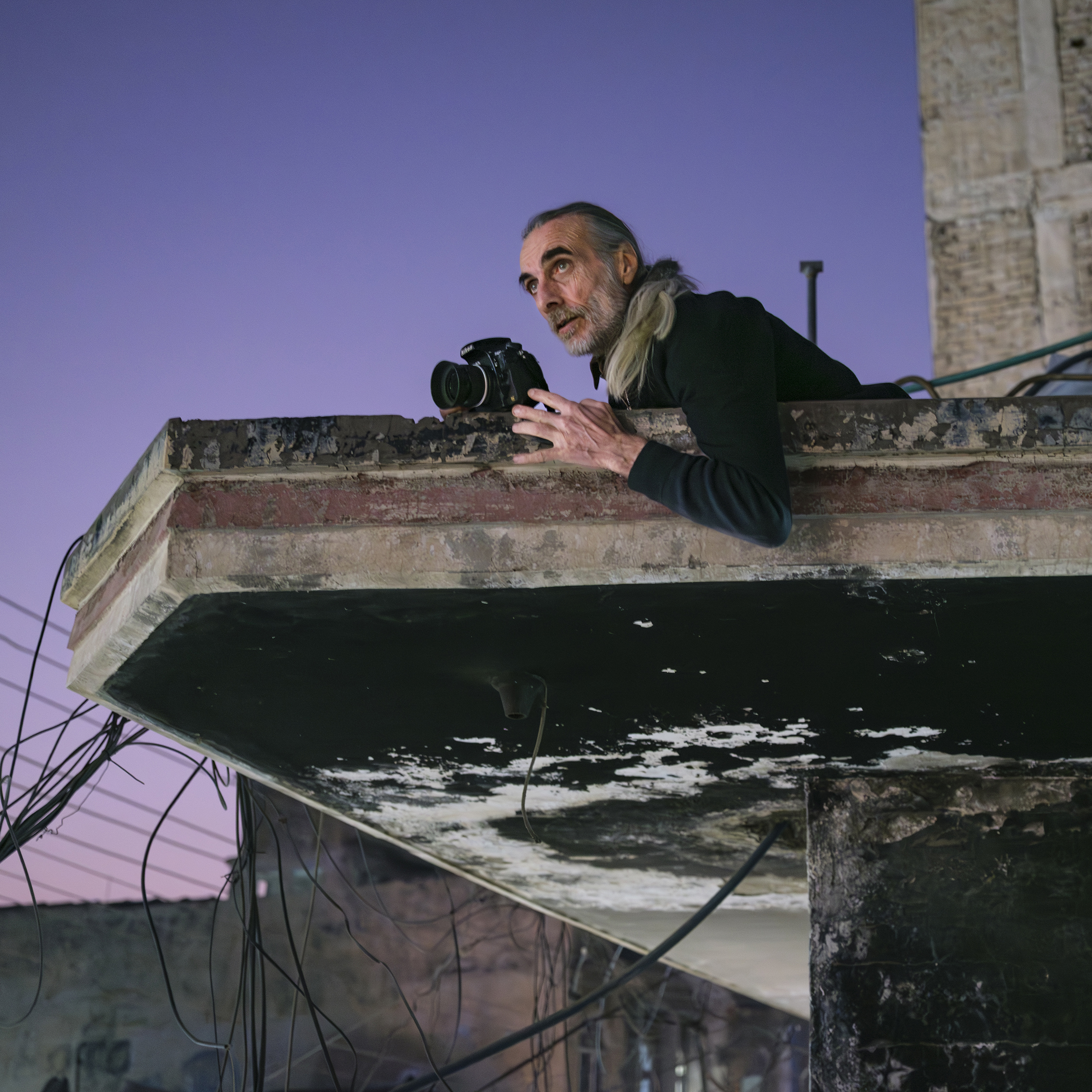
“When you're a journalist [in Swat Valley], you don't want to have a police escort because you become a target, and you want to have connection with locals who can even protect you from the security services,” he said.
Capriotti’s unique experience is one that allowed him to deep dive into a visual narrative, and he hopes students can learn about the art of storytelling through his journey.
“The most important takeaway that I wish every student who is trying to pursue a career in journalism, photojournalism, documentary photography, or storytelling is: try to create something valuable with the subject. Create a relationship that becomes a source of value,” he said. Connecting with the people you chronicle brings understanding and trust that helps the work shine even brighter – and it’s imperative to produce excellent work.
“Creating content can be highly replaceable by software or artificial intelligence,” Capriotti said. “Engage with people and create something that is deep and very human… I can teach you how to tell a story, how to move the camera. But you must practice how to be good with people because it's part of the personal growth of each one of us.”
This winter 2026, Giovanni Capriotti is teaching MDST*3380 Photojournalism at the University of Guelph-Humber.
To learn more about the Media & Communication Studies program, click here.